Blog

  • Lào Cai, Vietnam: A Breathtaking Destination for Every Traveler

    Nestled in the majestic mountains of northern Vietnam, Lào Cai is a province that promises an unforgettable travel experience. With its stunning landscapes, rich cultural heritage, and exciting adventure opportunities, this hidden gem offers something special for every traveler. Situated along the border with China, Lào Cai is best known for its scenic beauty, ethnic diversity, and the famous town of Sapa. Whether you are looking to immerse yourself in nature, experience local traditions, or embark on thrilling adventures, Lào Cai is the perfect destination.

    Sapa – The Crown Jewel of Lào Cai
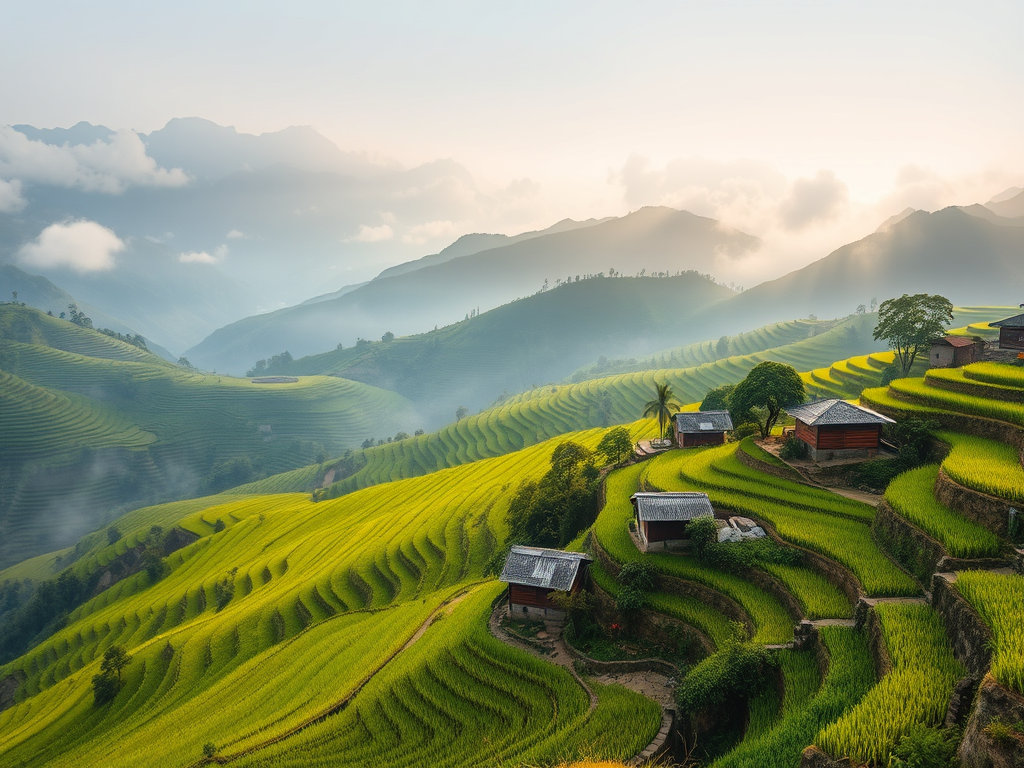
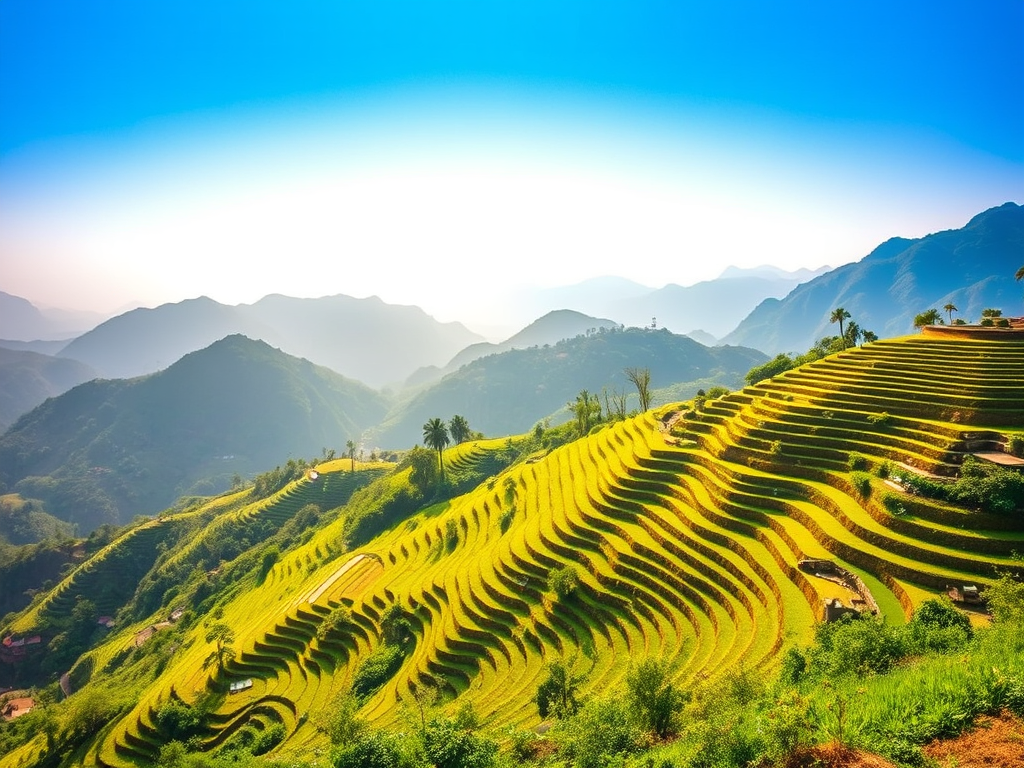
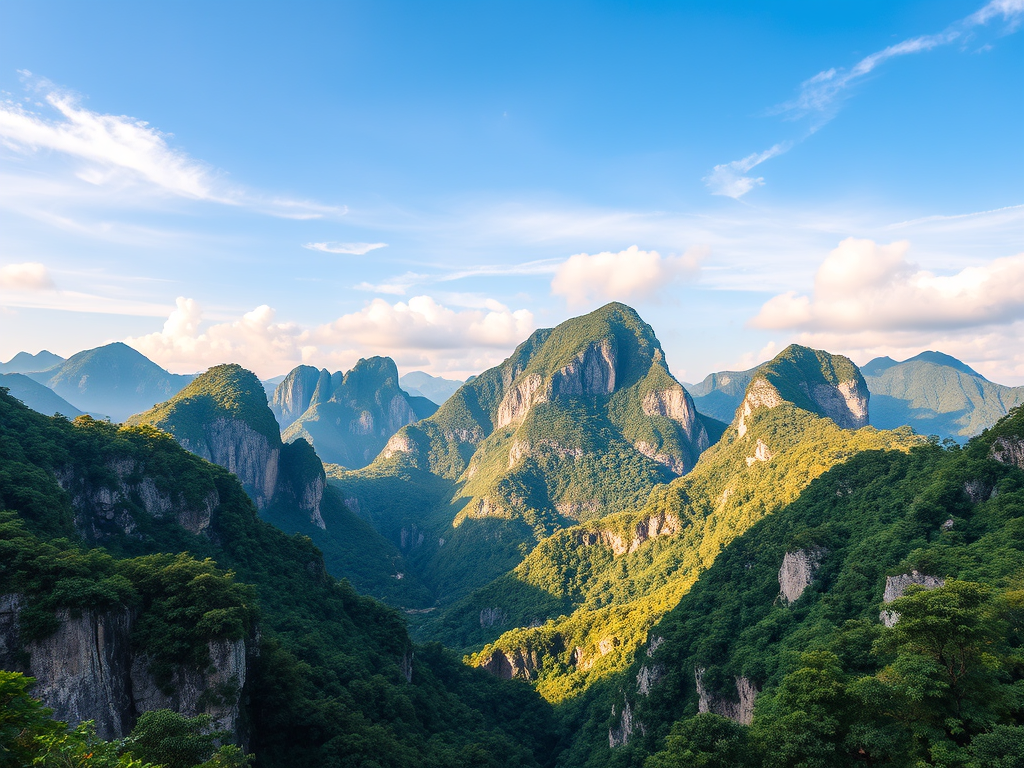
    Sapa is undoubtedly the highlight of any trip to Lào Cai. This charming mountain town is renowned for its breathtaking terraced rice fields, cool climate, and the rich culture of its ethnic communities, including the H’Mong, Dao, and Tay people. Visitors can embark on scenic treks through the Muong Hoa Valley, where endless rice terraces create a mesmerizing landscape, or take on the challenge of climbing Fansipan Mountain, the highest peak in Indochina. For those who prefer a more relaxed journey, the Fansipan cable car offers a spectacular ride to the summit, revealing panoramic views of the surrounding mountains.

    Beyond its natural beauty, Sapa is also home to vibrant markets such as Sapa Market and Love Market, where travelers can purchase handmade textiles, intricate silver jewelry, and sample traditional foods such as thắng cố (horse meat stew) and cơm lam (bamboo-cooked rice). Engaging with the local ethnic communities provides a unique opportunity to learn about their traditions, crafts, and way of life.

    Bac Ha Market – A Colorful Cultural Experience
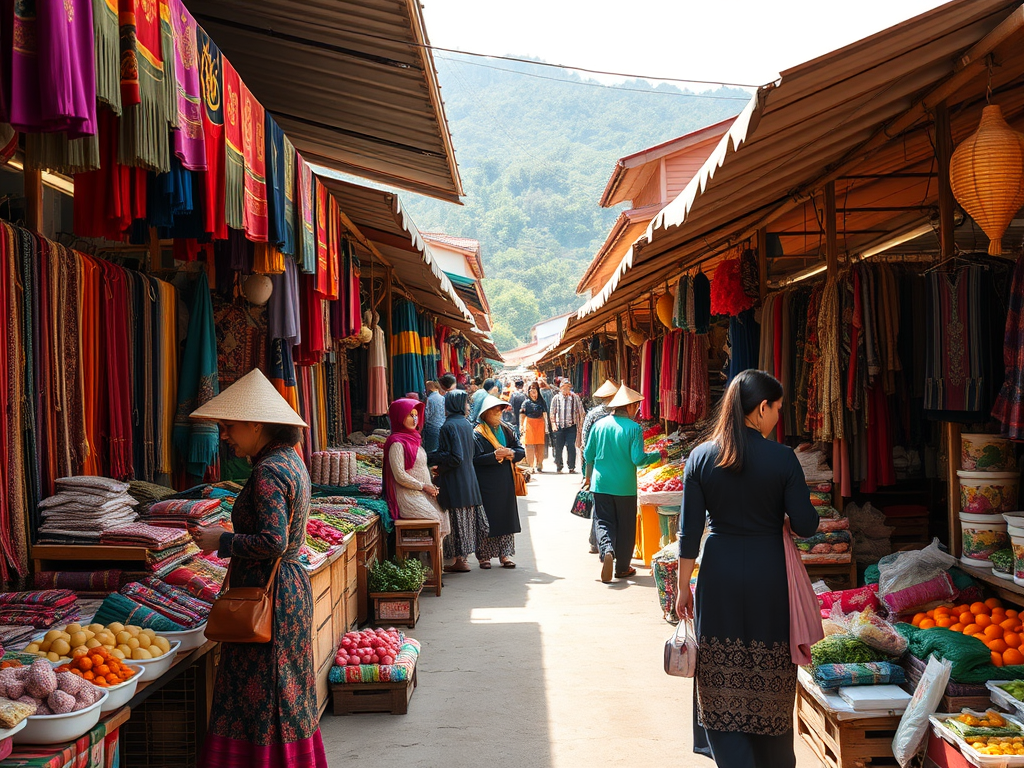
    A visit to Bac Ha Market, one of the largest ethnic markets in northern Vietnam, is a must for culture enthusiasts. This lively Sunday market is a feast for the senses, showcasing the traditional attire of various ethnic groups, handcrafted goods, and delicious regional delicacies. Here, visitors can observe the daily lives of local people as they trade livestock, fresh produce, and textiles, all while enjoying the warm hospitality of the region.

    In addition to Bac Ha Market, the Can Cau Market, held on Saturdays, is another fascinating marketplace where travelers can witness the vibrant trading activities of the H’Mong, Dao, and Tay people. These markets provide a deeper understanding of the rich cultural tapestry that makes Lào Cai so unique.

    Natural Wonders and Adventure Activities

    Lào Cai boasts an array of natural wonders that make it an ideal destination for adventure seekers and nature lovers alike. The province is home to stunning waterfalls such as Silver Waterfall (Thác Bạc) and Love Waterfall (Thác Tình Yêu), where visitors can bask in the serene beauty of cascading waters amidst lush green surroundings. The area also features breathtaking caves, pristine forests, and scenic valleys perfect for exploration.

    For those who seek an adrenaline rush, trekking through Hoang Lien National Park offers an immersive experience in Vietnam’s diverse ecosystem. The park is home to rare flora and fauna, as well as challenging hiking trails that lead to awe-inspiring viewpoints. Cycling tours through remote villages, motorbike adventures along winding mountain roads, and river kayaking are also popular activities that allow travelers to fully embrace the beauty of Lào Cai’s rugged landscapes.

    Best Time to Visit Lào Cai

    The best time to visit Lào Cai depends on your preferences. The months from September to November and March to May are ideal for trekking and sightseeing, as the weather is pleasant and the landscapes are at their most picturesque. The autumn months offer golden rice fields, while spring brings a fresh, green vibrancy to the mountains.

    Winter (December to February) can be quite cold, especially in Sapa, where temperatures occasionally drop below freezing, creating the rare sight of snow in Vietnam. This season is perfect for those who want to experience a different side of Vietnam’s climate and landscape.

    How to Get to Lào Cai

    Reaching Lào Cai is convenient, with multiple transportation options available. The most popular route is by train from Hanoi to Lào Cai City, followed by a bus or taxi ride to Sapa. The overnight train journey provides a comfortable and scenic way to travel, allowing visitors to rest before arriving at their destination.

    Alternatively, travelers can take a direct bus or private car from Hanoi, with the journey taking approximately 5-6 hours. The well-maintained highways and scenic mountain roads make the drive a pleasant experience, especially for those who enjoy road trips.

    Final Thoughts

    Lào Cai is a destination that seamlessly blends adventure, culture, and natural beauty. From trekking through breathtaking landscapes and exploring vibrant markets to experiencing the traditions of ethnic communities, every moment in Lào Cai is filled with wonder and discovery. If you are planning a trip to Vietnam, make sure to include Lào Cai in your itinerary—you will be rewarded with unforgettable experiences and memories that last a lifetime.

  • Travel to Ha Giang, Vietnam: The Ultimate Guide to Vietnam’s Northernmost Province

    Ha Giang, a province located in the far north of Vietnam, is known for its breathtaking landscapes, winding mountain roads, and rich cultural diversity. Often referred to as the final frontier of Vietnam, Ha Giang offers a truly off-the-beaten-path experience for travelers who seek adventure, natural beauty, and an authentic glimpse into the lives of ethnic minorities.

    Best Places to Visit in Ha Giang

    1. Ma Pi Leng Pass – The King of Mountain Passes

    Ma Pi Leng Pass is one of Vietnam’s most scenic mountain passes, stretching between Dong Van and Meo Vac. At an altitude of over 1,500 meters, it offers panoramic views of the deep Nho Que River gorge and rugged limestone mountains. This 20-kilometer pass is a dream destination for motorbike riders and adventure seekers, providing thrilling roads and breathtaking landscapes.

    For the best experience, stop at the viewpoint on the peak of the pass, where you can admire the stunning scenery and take in the fresh mountain air. Many travelers also take a boat ride on the Nho Que River to see the pass from a different perspective.

    2. Dong Van Karst Plateau – A UNESCO Global Geopark

    The Dong Van Karst Plateau is a UNESCO-recognized geopark with stunning limestone formations, deep valleys, and unique rock formations that date back hundreds of millions of years. This region is also home to various ethnic minority groups, including the Hmong, Tay, and Dao people.

    The highlight of Dong Van is its Old Quarter, where visitors can explore ancient houses made of stone and wood. Every Sunday, the Dong Van Market comes alive with vibrant colors and traditional costumes as ethnic groups gather to trade goods and livestock.

    3. Lung Cu Flag Tower – The Northernmost Point of Vietnam

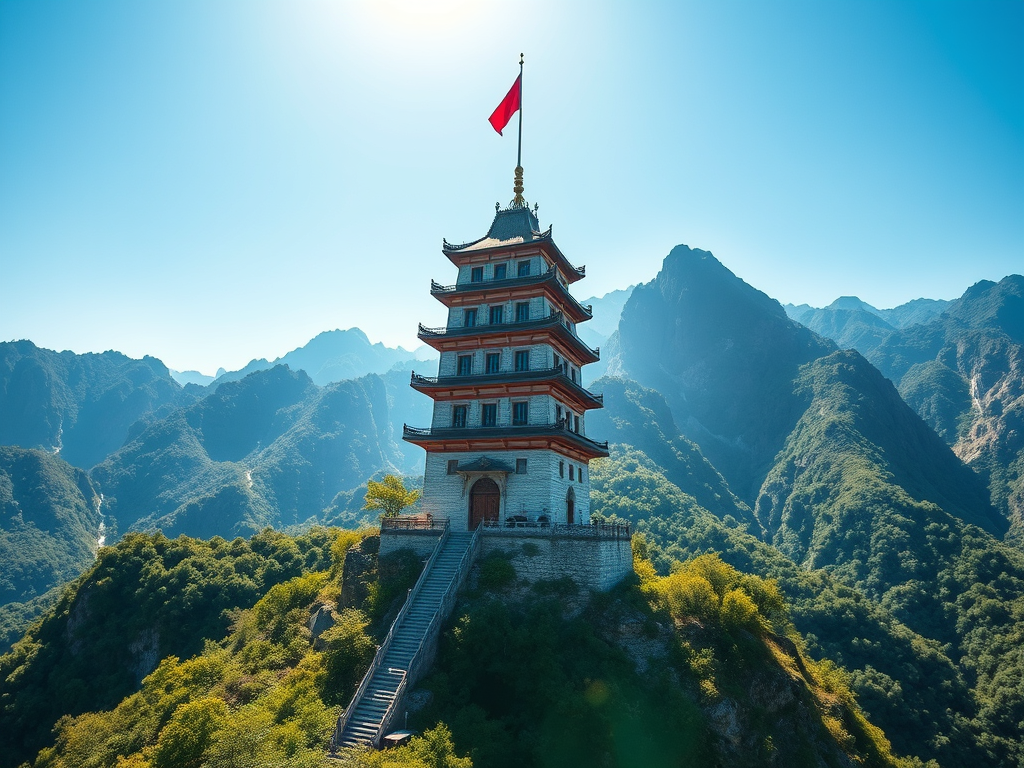
    Lung Cu Flag Tower marks the northernmost point of Vietnam, standing on Dragon Mountain. From the top, visitors can enjoy a stunning panoramic view of the surrounding mountains and villages. The tower symbolizes Vietnam’s sovereignty and is a must-visit for those who want to stand at the country’s highest latitude.

    The road to Lung Cu is lined with picturesque terraced fields, small ethnic villages, and winding paths, making the journey as rewarding as the destination itself.

    4. Hoang Su Phi – Majestic Rice Terraces

    Hoang Su Phi is famous for its terraced rice fields, which are considered among the most beautiful in Vietnam. During the harvest season (September to October), the landscape transforms into a golden paradise as the rice fields turn bright yellow.

    Visitors can trek through the rice fields, visit traditional stilt houses, and interact with the local ethnic communities, including the Nung and La Chi people. This area is perfect for those seeking a peaceful retreat in nature.

    Best Time to Visit Ha Giang

    The best time to visit Ha Giang depends on what you want to see:

    • September – October: Best for golden rice terraces in Hoang Su Phi.
    • April – May: Water pouring season, when the terraces reflect the sky.
    • November – December: Buckwheat flower season, covering the mountains in pink and purple hues.
    • January – February: Spring festivals of ethnic groups and blossoming peach and plum flowers.

    How to Get to Ha Giang

    Ha Giang is about 300 km from Hanoi, and there are several ways to reach this stunning destination:

    • By Bus: Sleeper buses from Hanoi to Ha Giang city take around 6-7 hours. From Ha Giang city, travelers can rent motorbikes or hire local drivers to explore the region.
    • By Motorbike: Riding a motorbike from Hanoi to Ha Giang is a thrilling experience for adventurous travelers.
    • By Private Car: Hiring a car with a driver is a comfortable option, especially for those traveling in groups.

    Local Cuisine to Try in Ha Giang

    Ha Giang’s local cuisine reflects the rich traditions of its ethnic communities. Some must-try dishes include:

    • Thang Co – A traditional Hmong stew made with horse meat, organs, and herbs.
    • Chao Au Tau – A nutritious porridge made from bitter au tau roots, sticky rice, and pork.
    • Banh Cuon Ha Giang – Steamed rice rolls served with bone broth and herbs.
    • Men Men – A corn-based dish, a staple food of the Hmong people.
    • Buckwheat Cake – A specialty made from buckwheat flour, popular during the buckwheat flower season.

    Conclusion

    Ha Giang is a paradise for adventure lovers, culture enthusiasts, and nature seekers. With its jaw-dropping landscapes, friendly locals, and unique traditions, Ha Giang offers an unforgettable travel experience. Whether you are riding through the Ma Pi Leng Pass, trekking the rice terraces of Hoang Su Phi, or immersing yourself in the culture of ethnic minorities, Ha Giang will leave you with lasting memories.

    If you’re looking for an off-the-beaten-path adventure in Vietnam, Ha Giang should be at the top of your travel list!

  • Travel to Cao Bang, Vietnam: A Hidden Gem of Natural Beauty

    Cao Bang, located in the northeast of Vietnam, is a breathtaking destination filled with majestic mountains, lush green valleys, and stunning waterfalls. This lesser-known province offers travelers a chance to explore unspoiled landscapes and immerse themselves in the rich cultural heritage of ethnic minorities. Unlike other popular tourist destinations in Vietnam, Cao Bang retains its raw beauty, making it a paradise for nature lovers and adventure seekers.

    Best Places to Visit in Cao Bang

    1. Ban Gioc Waterfall – The Largest Waterfall in Vietnam

    Ban Gioc Waterfall is undoubtedly the most famous attraction in Cao Bang. It is the largest waterfall in Vietnam and one of the most magnificent in Southeast Asia. The waterfall is located on the Quay Son River, forming a natural border between Vietnam and China. The cascading water plunges down multiple tiers, creating a mesmerizing scene that captivates visitors. The surrounding karst mountains and lush greenery enhance the beauty of this natural wonder.

    Visitors can take a bamboo raft ride close to the waterfall to fully appreciate its grandeur. The mist rising from the falling water creates a dreamy atmosphere, especially in the early morning when the sunlight reflects off the water droplets. Ban Gioc is best visited between September and October when the water flow is at its peak, offering a truly spectacular sight.

    2. Nguom Ngao Cave – A Hidden Underground Wonderland

    Just a few kilometers from Ban Gioc Waterfall, Nguom Ngao Cave is an impressive limestone cave that stretches for over 2,100 meters. The cave features stunning stalactites and stalagmites, which have formed over millions of years into fascinating shapes. Some formations resemble animals, mythical creatures, or even human figures, making the cave an exciting place for imagination and exploration.

    As you walk through the illuminated pathways of the cave, you will be amazed by the vast chambers and intricate formations. The cave remains cool throughout the year, making it a refreshing stop after visiting Ban Gioc Waterfall. Legends say that Nguom Ngao was once used as a shelter by local ethnic groups during conflicts, adding to its historical significance.

    3. Thang Hen Lake – A Tranquil Oasis in the Mountains

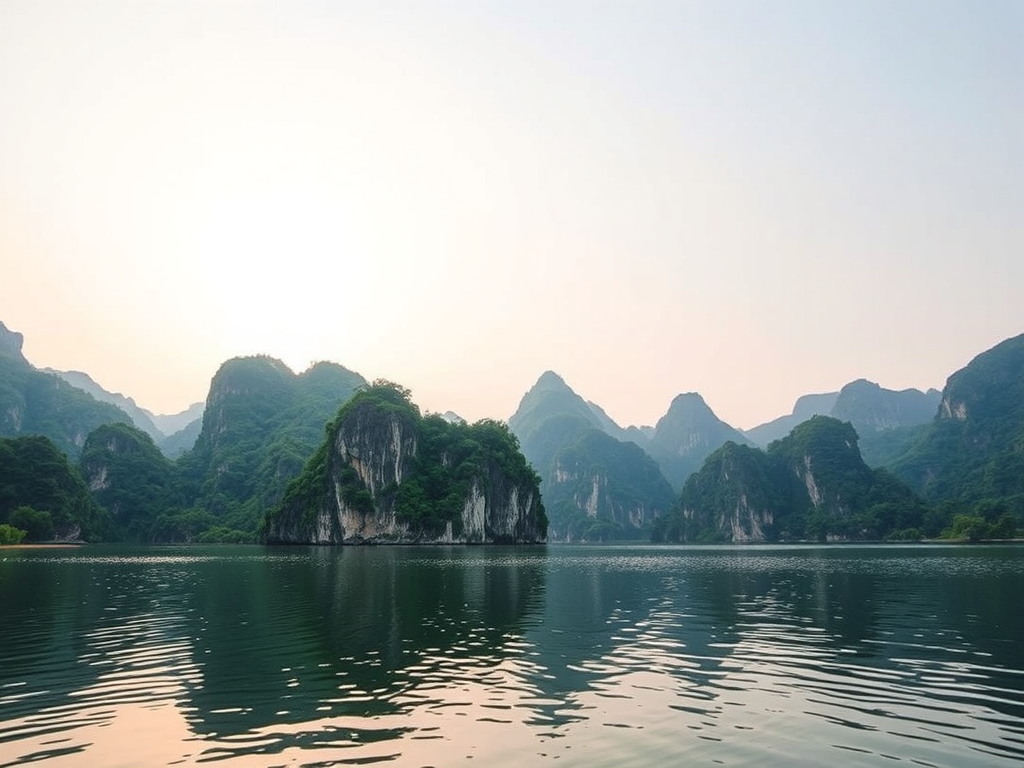
    Nestled among the towering limestone peaks of Cao Bang, Thang Hen Lake is a hidden gem known for its breathtaking scenery. The lake consists of a cluster of 36 interconnected lakes, which rise and fall depending on the season. During the rainy season, all the lakes merge into one, creating a vast, mirror-like surface that reflects the surrounding mountains and sky.

    Visitors can enjoy a peaceful boat ride on the lake, surrounded by serene nature. The calm waters and fresh air provide a perfect escape from the hustle and bustle of city life. Camping by the lake is also a great option for those who want to experience the tranquil beauty of Cao Bang under the starry night sky.

    4. Pac Bo Historical Site – Following the Footsteps of Ho Chi Minh

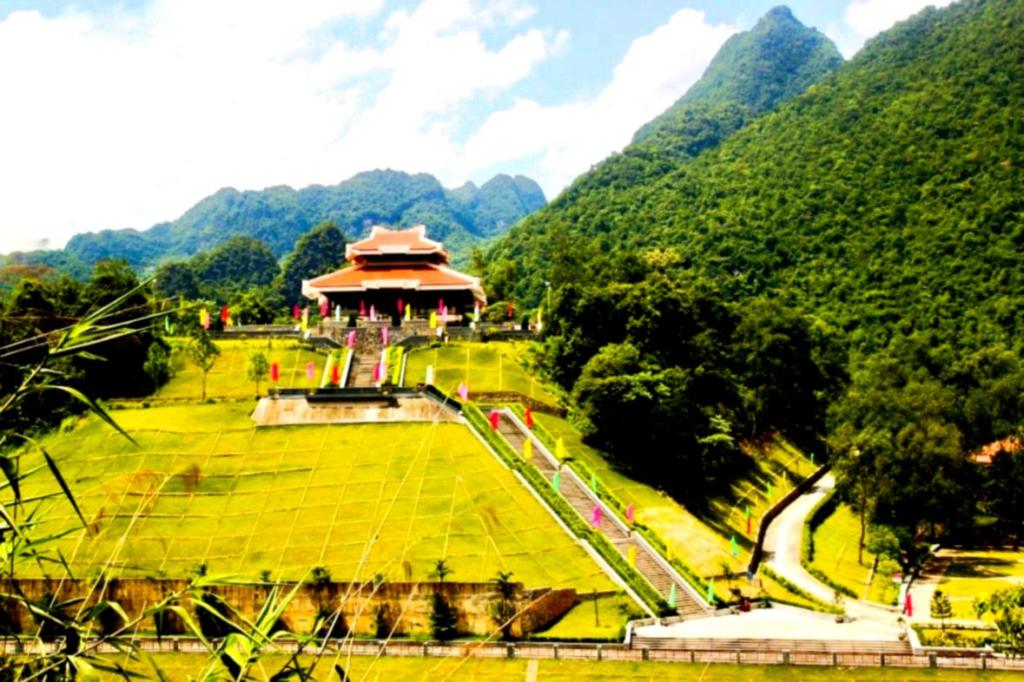
    For history lovers, Pac Bo Historical Site is a must-visit destination. This is where President Ho Chi Minh lived and worked upon returning to Vietnam in 1941 after years of revolutionary activities abroad. The site includes Lenin Stream, Karl Marx Mountain, and Coc Bo Cave, all of which hold deep historical significance.

    The Lenin Stream, with its crystal-clear water, was named by Ho Chi Minh himself. The surrounding landscape is incredibly peaceful, offering visitors a glimpse into the simple life that the revolutionary leader led during his time here. Walking along the trails of Pac Bo, you can truly appreciate the historical importance of the area and its connection to Vietnam’s independence movement.

    Best Time to Visit Cao Bang

    The best time to visit Cao Bang is from September to April. During these months, the weather is cool and pleasant, making it ideal for outdoor exploration. The autumn months (September to November) are particularly beautiful as the rice fields turn golden, and the waterfalls and lakes are at their fullest. Winter (December to February) offers a different charm, with misty mountains and occasional frost, creating a magical landscape.

    If you want to see Ban Gioc Waterfall at its most powerful, visit after the rainy season, between September and October. For a more peaceful and green setting, the spring months of March and April are also excellent choices.

    How to Get to Cao Bang

    Cao Bang is about 300 km from Hanoi, and there are several ways to reach this northern province:

    • By Bus: Travelers can take a bus from My Dinh Bus Station in Hanoi. The journey takes approximately 6-7 hours. There are both day and night buses available, with sleeper buses being a comfortable option.
    • By Motorbike: For adventure enthusiasts, renting a motorbike is a great way to explore Cao Bang at your own pace. The ride from Hanoi to Cao Bang offers stunning mountain views, winding roads, and charming rural villages along the way.
    • By Private Car: If you prefer comfort and flexibility, hiring a private car is a convenient option, especially for groups or families.

    Local Cuisine to Try in Cao Bang

    Cao Bang is not only famous for its landscapes but also for its delicious local cuisine. Here are some must-try dishes:

    • Banh cuon Cao Bang – Unlike the regular Vietnamese steamed rice rolls, Cao Bang’s version is served with a flavorful hot broth made from bone stock, making it a unique breakfast dish.
    • Roasted Duck Cao Bang Style – This dish features crispy, juicy duck marinated in local spices and roasted to perfection. It is a specialty of the Tay ethnic people.
    • Ant Egg Cake (Banh Trung Kien) – A rare and unique dish made from sticky rice and ant eggs, popular among the Tay ethnic group. Despite its unusual ingredients, it is a delicacy worth trying.
    • Mac Mat Pork – This dish is made using mac mat leaves, which give the pork a slightly sweet and aromatic flavor. It is a favorite among locals during special occasions.

    Conclusion

    Cao Bang is a perfect destination for adventure lovers, nature enthusiasts, and history buffs. With its pristine landscapes, friendly locals, and rich history, this province offers an unforgettable travel experience. Whether you are exploring the majestic Ban Gioc Waterfall, wandering through the mystical Nguom Ngao Cave, or tracing the historical footprints of Ho Chi Minh in Pac Bo, Cao Bang promises a journey filled with wonder and discovery.

    If you are looking for an off-the-beaten-path experience in Vietnam, Cao Bang should definitely be on your travel list!

  • Hai Phong, Vietnam: The Ultimate Travel Guide

    Hai Phong, a bustling coastal city in northern Vietnam, is an emerging travel destination known for its rich history, cultural heritage, and stunning natural landscapes. While often overshadowed by Hanoi and Halong Bay, Hai Phong offers a unique and authentic Vietnamese experience with fewer crowds. This guide will help you discover the best places to visit, top things to do, and must-try local foods in Hai Phong.

    How to Get to Hai Phong

    Hai Phong is well-connected by air, road, and rail. Located just 120 km from Hanoi, travelers can reach the city via a short flight to Cat Bi International Airport, a train ride, or a comfortable bus journey. The airport offers flights to major domestic and international destinations, making Hai Phong easily accessible for travelers. Additionally, visitors can travel by car via the modern Hanoi-Hai Phong Expressway, which reduces travel time significantly.

    Top Attractions in Hai Phong

    1. Do Son Beach

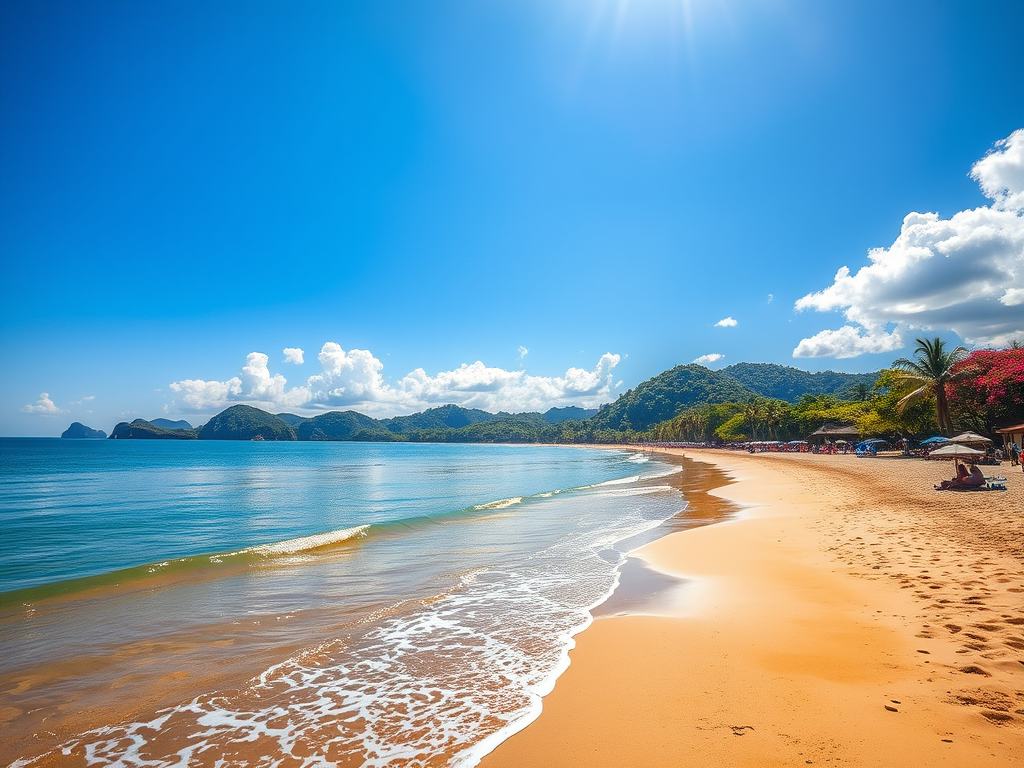
    One of Hai Phong’s most famous beaches, Do Son Beach is perfect for a relaxing getaway. Visitors can enjoy swimming, sunbathing, and savoring fresh seafood from local restaurants. The beach is divided into three main sections, each offering different experiences. Visitors can also explore nearby attractions such as the Dragon Hill and the historical Do Son Casino.

    2. Cat Ba Island

    As the largest island in Halong Bay, Cat Ba is a must-visit for nature lovers. Enjoy trekking in Cat Ba National Park, kayaking in Lan Ha Bay, or relaxing on its pristine beaches. The island is home to rare wildlife, including the endangered Cat Ba langur. Adventure seekers can go rock climbing at Butterfly Valley or take a boat tour to explore the hidden caves and fishing villages surrounding the island.

    3. Du Hang Pagoda

    A historical Buddhist temple over 300 years old, Du Hang Pagoda features traditional Vietnamese architecture and offers a peaceful spiritual retreat. Visitors can admire intricate carvings, ancient statues, and lush gardens, making it a perfect place for reflection and cultural appreciation.

    4. Hai Phong Opera House

    Built during the French colonial period, the Hai Phong Opera House is an architectural gem where visitors can enjoy cultural performances and explore the city’s rich history. The surrounding area, with its French-style buildings and tree-lined streets, adds to the charm of this cultural landmark.

    5. Tam Bac Lake and Flower Market

    Located in the heart of Hai Phong, Tam Bac Lake is a beautiful spot for a leisurely stroll, especially in the evening when the lights reflect on the water. Nearby, the vibrant flower market is a great place to experience local life and purchase fresh, colorful blooms.

    6. Bao Dai Villa

    Once a retreat for Vietnam’s last emperor, Bao Dai Villa is a fascinating historical site perched on a hill overlooking Do Son Beach. The villa showcases French colonial architecture and offers breathtaking views of the coastline.

    Best Time to Visit Hai Phong

    The best time to explore Hai Phong is from April to October, when the weather is warm and ideal for beach activities. However, if you prefer cooler temperatures and fewer tourists, the months from November to March are also a great choice. The spring and autumn months offer the most pleasant climate for sightseeing and outdoor activities.

    Must-Try Hai Phong Dishes

    Food is an essential part of the Hai Phong experience. Here are some dishes you shouldn’t miss:

    • Bánh Đa Cua (Crab Noodle Soup) – A delicious specialty with thick noodles, fresh crab meat, and a flavorful broth, topped with fresh herbs and fried shallots.
    • Nem Cua Bể (Fried Crab Spring Rolls) – Crispy and savory crab-filled spring rolls, a popular local street food that pairs well with fresh herbs and dipping sauce.
    • Hải Sản (Seafood) – Fresh seafood is abundant in Hai Phong, with grilled squid, steamed clams, and shrimp among the favorites. Don’t miss trying tu hai (geoduck clam), a local delicacy.
    • Bánh Mì Que (Hai Phong Mini Baguette) – A smaller and crispier version of the traditional bánh mì, filled with pâté and chili sauce, making it a must-try street snack.
    • Sủi Dìn (Sticky Rice Dumplings) – A sweet dessert filled with sesame or mung bean paste, served in a warm ginger syrup, perfect for cooler days.

    Things to Do in Hai Phong

    Aside from sightseeing and food tasting, Hai Phong offers various activities:

    • Take a Boat Tour – Explore Lan Ha Bay’s hidden lagoons, floating fishing villages, and pristine beaches.
    • Visit a Local Market – Check out Sat Market or Lach Tray Market for fresh produce, local goods, and souvenirs.
    • Experience the Nightlife – Hai Phong has a lively nightlife scene with rooftop bars, local pubs, and karaoke lounges where you can enjoy live music and drinks.
    • Attend a Local Festival – If you visit during the Do Son Buffalo Fighting Festival (held annually in September), you’ll witness a unique and ancient cultural tradition.

    Conclusion

    Hai Phong is a hidden gem in Vietnam, offering a mix of history, nature, and amazing food. Whether you’re looking for adventure, relaxation, or cultural experiences, this vibrant city has something for everyone. From its scenic beaches and historic temples to its delicious cuisine and lively markets, Hai Phong promises an unforgettable travel experience. Plan your trip now and explore the beauty of Hai Phong!

  • Quang Ninh: Vietnam’s Hidden Gem for Travelers

    Introduction

    Located in the northeastern region of Vietnam, Quang Ninh is a captivating destination that boasts stunning natural landscapes, rich cultural heritage, and modern attractions. While many travelers recognize this province as home to the world-famous Ha Long Bay, Quang Ninh offers so much more—from secluded islands and sacred mountains to lively cities and delicious seafood.

    Whether you’re a nature enthusiast, an adventure seeker, a culture lover, or simply looking for a relaxing getaway, Quang Ninh has something for everyone. This comprehensive guide will take you through the best places to visit, exciting activities to try, must-try local dishes, and essential travel tips to make your trip unforgettable.


    Top Attractions in Quang Ninh

    1. Ha Long Bay – A UNESCO World Heritage Site

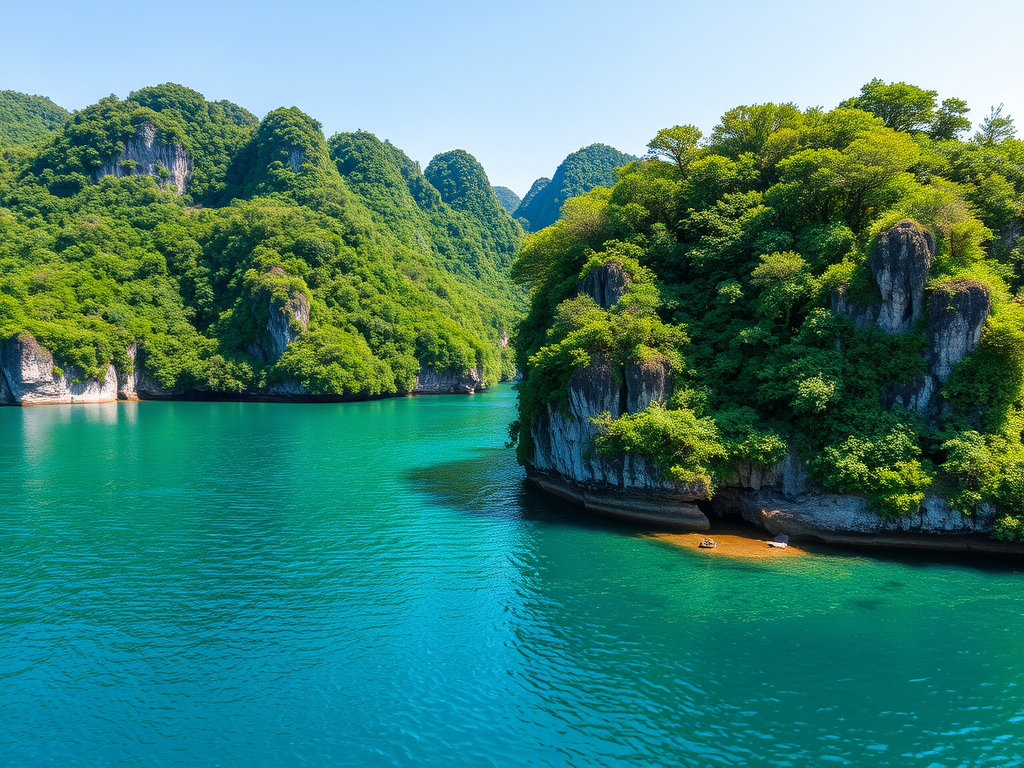
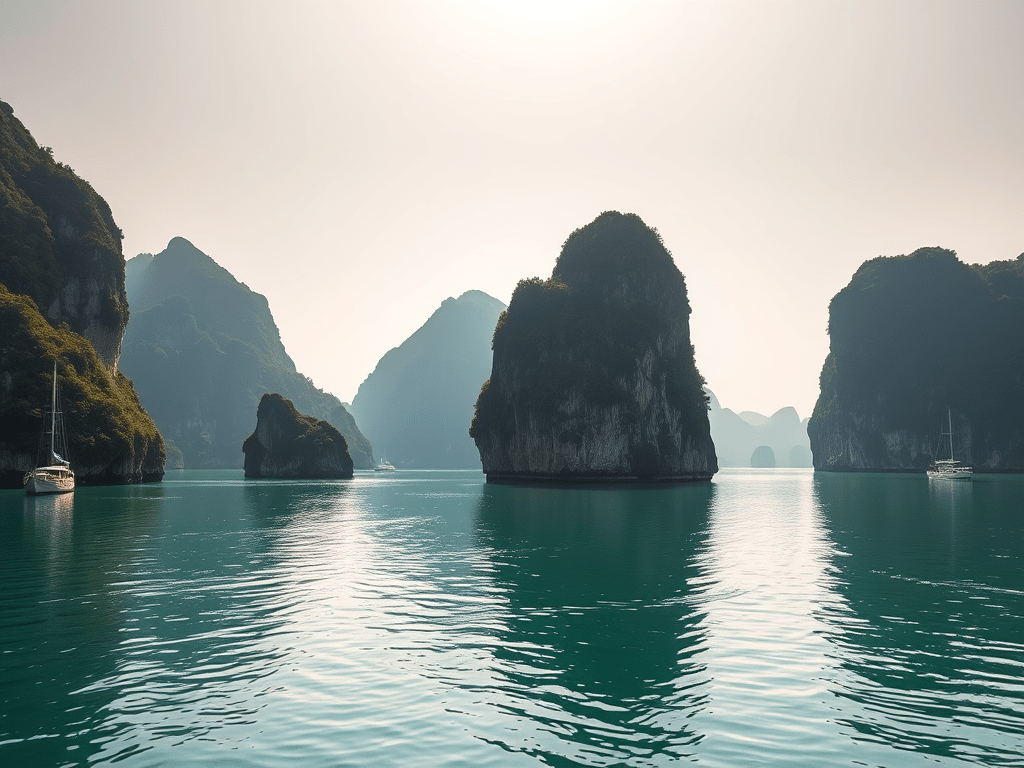
    No visit to Quang Ninh is complete without exploring Ha Long Bay, a UNESCO-listed natural wonder featuring over 1,600 limestone islands and islets rising from emerald waters. The bay is best experienced through a cruise, allowing you to admire its breathtaking scenery and explore its hidden gems.

    Must-do experiences in Ha Long Bay:

    ✔️ Kayaking through hidden caves – Paddle through Luon Cave or Dark and Bright Cave for a close-up view of towering limestone formations.
    ✔️ Visiting floating fishing villages – Get a glimpse of traditional life at Cua Van Fishing Village, one of the oldest in the bay.
    ✔️ Exploring stunning caves – Marvel at the beauty of Sung Sot (Surprise) Cave, the largest and most famous grotto in Ha Long Bay.
    ✔️ Hiking on Ti Top Island – Climb to the top for a panoramic view of the bay’s stunning landscape.
    ✔️ Enjoying a sunset cruise – Witness the bay’s magical transformation as the sun sets over the horizon.

    Best time to visit: October – April (cool weather and clear skies).

    2. Bai Tu Long Bay – A Tranquil Alternative

    For travelers who want to avoid the crowds, Bai Tu Long Bay is a hidden paradise. Located northeast of Ha Long Bay, this bay offers a more peaceful and untouched environment with pristine beaches, mysterious caves, and diverse marine life.

    Top attractions in Bai Tu Long Bay:

    🏝 Cong Do Island – A beautiful island with clear waters, ideal for swimming and snorkeling.
    🦀 Vung Vieng Fishing Village – Experience the authentic life of local fishermen in a floating village.
    🌊 Thien Canh Son Cave – A mesmerizing cave with unique stalactites and stalagmites formations.

    3. Yen Tu Mountain – The Spiritual Heart of Vietnam

    Quang Ninh is not only famous for its seascape but also for its deep-rooted spiritual heritage. Yen Tu Mountain is one of Vietnam’s most important Buddhist pilgrimage sites, where the Truc Lam Zen Sect was founded in the 13th century.

    Why visit Yen Tu Mountain?

    🏯 Historical significance – Home to ancient pagodas, temples, and meditation sites.
    🚠 Scenic cable car ride – Enjoy breathtaking views as you ascend to the Dong Pagoda at the summit.
    🥾 Hiking trails – Challenge yourself with a trek up the mountain, passing through lush forests and serene landscapes.

    Best time to visit: January – March (during the Yen Tu Festival).

    4. Co To Island – A Hidden Paradise for Beach Lovers

    If you’re looking for an off-the-beaten-path beach getaway, Co To Island is the perfect choice. Located about 80 km from the mainland, this island is known for its white sandy beaches, crystal-clear waters, and tranquil atmosphere.

    Things to do in Co To Island:

    🏝 Relax on Hong Van Beach and Van Chai Beach – Two of the most beautiful and unspoiled beaches in northern Vietnam.
    🚴 Explore the island by bike – Rent a bicycle or motorbike to discover hidden beaches and scenic coastal roads.
    🌅 Visit Co To Lighthouse – Enjoy a panoramic view of the ocean from the island’s highest point.

    5. Quang Ninh Museum – A Window Into the Province’s History

    For a deeper understanding of Quang Ninh’s rich history and culture, a visit to Quang Ninh Museum in Ha Long City is highly recommended. Designed with a sleek black-glass exterior, the museum is a modern architectural masterpiece.

    What to see at Quang Ninh Museum?

    🏺 Ancient artifacts and fossils – Discover the province’s geological and historical evolution.
    Coal mining exhibits – Learn about Quang Ninh’s mining industry, a crucial part of its economy.
    🎭 Ethnic cultural displays – Gain insight into the customs and traditions of Vietnam’s ethnic minority groups.


    Exciting Activities to Try in Quang Ninh

    Overnight Cruise in Ha Long Bay – Spend a magical night onboard a luxury or budget cruise.
    Snorkeling & Diving – Explore the colorful coral reefs around Co To and Bai Tu Long Bay.
    Trekking & Nature Exploration – Hike through Yen Tu National Park or explore the scenic trails on Quan Lan Island.
    Traditional Fishing Experience – Join local fishermen and try your hand at catching seafood the traditional way.
    Cultural Festivals – Attend Ha Long Carnival (April) or the Yen Tu Festival (January – March) for a lively experience of local culture.


    Must-Try Local Dishes in Quang Ninh

    🍽 Cha Muc (Squid Cake) – A crispy, chewy squid cake made from fresh Ha Long squid.
    🍽 Ngan (Blood Cockles) – A flavorful seafood dish, served grilled, steamed, or stir-fried.
    🍽 Sam (Horseshoe Crab) – A unique delicacy cooked with tamarind sauce and local herbs.
    🍽 Bun Be Be (Mantis Shrimp Noodles) – A delicious noodle soup featuring mantis shrimp, a Quang Ninh specialty.
    🍽 Gat Gu Cake – A soft, rolled rice cake typically enjoyed with fish sauce and pork.


    How to Get to Quang Ninh

    ✈️ By Air: Van Don International Airport (VDO) connects Quang Ninh with major cities in Vietnam and international destinations.
    🚆 By Train: A scenic train ride from Hanoi to Ha Long City offers a relaxing journey through the countryside.
    🚗 By Bus/Car: Direct buses from Hanoi take around 2.5 – 3 hours to reach Ha Long City.


    Where to Stay in Quang Ninh

    🏨 Luxury: Vinpearl Resort & Spa Ha Long, Premier Village Ha Long Bay
    🏡 Mid-Range: Royal Lotus Hotel, Wyndham Legend Halong
    🛏️ Budget-Friendly: Halong Boutique Hotel, Banana & Rose Homestay


    Conclusion

    Quang Ninh is a destination that offers a perfect balance of adventure, relaxation, and cultural immersion. Whether you want to cruise through Ha Long Bay, trek up Yen Tu Mountain, explore hidden beaches, or indulge in fresh seafood, this province has something for every traveler.

    Are you ready to experience Quang Ninh? Pack your bags and embark on a journey to one of Vietnam’s most spectacular destinations today! 🌏✨

  • Discover Vietnam’s Hidden Gem: A Journey to Ninh Binh

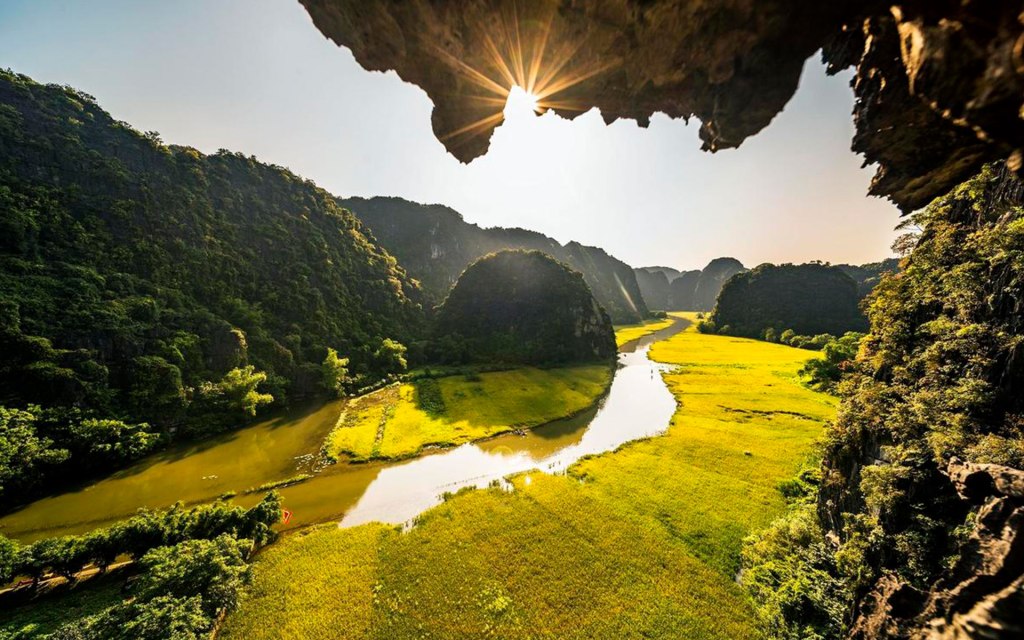
    Located in northern Vietnam, Ninh Binh is a breathtaking destination that captivates visitors with its stunning landscapes, rich history, and tranquil atmosphere. Often referred to as the “Ha Long Bay on land,” this province boasts majestic limestone mountains, lush rice fields, and winding rivers, creating a surreal and picturesque setting. If you’re looking for a memorable travel experience, Ninh Binh is undoubtedly a must-visit destination.

    How to Get to Ninh Binh

    Ninh Binh is about 90 km south of Hanoi, making it easily accessible by various means of transportation. The most popular options are trains and buses, both taking approximately two hours. Alternatively, travelers can rent a private car or motorbike for a more flexible journey. For added comfort, private car services from Hanoi offer a direct and hassle-free trip to Ninh Binh. Adventure seekers might prefer renting a motorbike, allowing them to explore the countryside scenery along the way.

    Top Attractions in Ninh Binh

    1. Trang An Scenic Landscape Complex

    Recognized as a UNESCO World Heritage Site, Trang An is a mesmerizing complex of rivers, caves, and limestone mountains. A boat tour through Trang An allows visitors to explore hidden caves, ancient temples, and serene waterways. The journey lasts about two to three hours, providing a relaxing escape into nature. Notable caves such as Dia Linh Cave and Nau Ruou Cave add a sense of mystery to the experience. Along the way, visitors can also admire historical temples like Trinh Temple and Tran Temple, reflecting the deep cultural heritage of the area.

    2. Tam Coc – Bich Dong

    Tam Coc, meaning “Three Caves,” is an unmissable destination known for its peaceful boat rides along the Ngo Dong River. Surrounded by towering limestone cliffs and golden rice fields, Tam Coc offers an ultimate nature retreat. The three caves—Hang Ca, Hang Hai, and Hang Ba—were naturally formed by the river, creating a magical experience for visitors. Nearby, Bich Dong Pagoda, an ancient temple built into a mountainside, offers a profound cultural and spiritual experience. The pagoda has three levels—Lower, Middle, and Upper—each offering breathtaking views of the surrounding landscape.

    3. Bai Dinh Pagoda

    As the largest Buddhist complex in Vietnam, Bai Dinh Pagoda is an architectural and spiritual marvel. The site features massive Buddha statues, intricate carvings, and panoramic views of the surrounding countryside. Visitors can explore both the ancient pagoda and the expansive new complex. Bai Dinh also houses the largest bronze Buddha statue in Southeast Asia and thousands of Arhat statues, setting world records. The grandeur of the architecture and the serene atmosphere make this a must-visit spot for those interested in Buddhist culture.

    4. Mua Cave

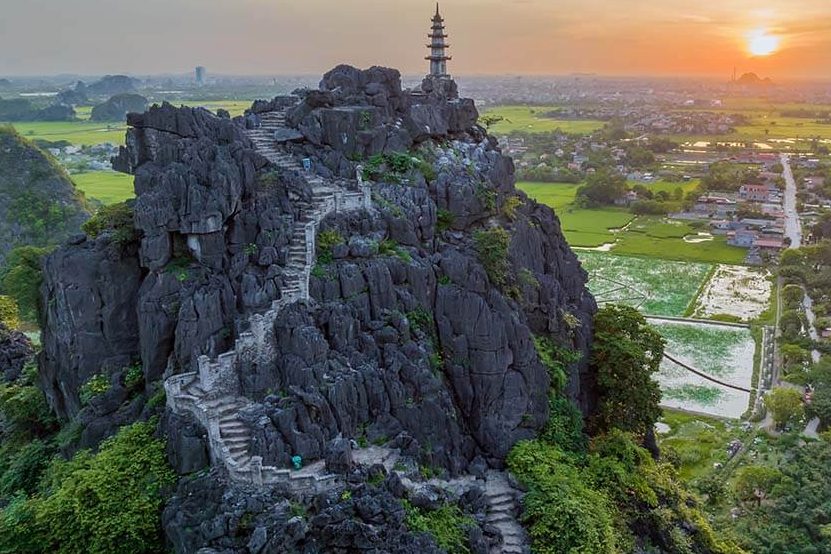
    For adventure lovers, Mua Cave offers a rewarding hike up 500 stone steps to the mountain’s summit, where visitors are treated to breathtaking views of Tam Coc. The panoramic scenery from the top is one of Ninh Binh’s most iconic sights. Many compare it to Ha Long Bay but with its own distinct charm. Sunrise and sunset are the best times to visit for a truly magical experience. Along the ascent, visitors will also encounter a giant stone dragon statue, adding a mythical touch to the landscape.

    5. Cuc Phuong National Park

    Nature enthusiasts will find Cuc Phuong National Park a paradise of biodiversity. As Vietnam’s oldest national park, it is home to many rare flora and fauna, including endangered primates and ancient trees thousands of years old. Visitors can embark on trekking trails, visit the Endangered Primate Rescue Center, and witness the Butterfly Valley during the breeding season. For those seeking adventure, camping overnight in the jungle is also an exciting option to immerse in nature.

    Best Time to Visit Ninh Binh

    The best time to visit Ninh Binh is during the dry season, from November to April, when the weather is cool and pleasant. However, if you want to witness the stunning golden rice fields, plan your trip between late May and early June. The lush green fields in early May gradually turn into a radiant golden hue in June, creating a dreamlike scenery perfect for photography enthusiasts.

    Local Cuisine to Try

    A trip to Ninh Binh wouldn’t be complete without tasting its local specialties:

    • Goat Meat – A renowned specialty of Ninh Binh, often served grilled or in hotpot.
    • Crispy Rice (Com Chay) – A crunchy rice dish paired with shredded pork or spicy dipping sauce.
    • Eel Vermicelli Soup (Mien Luon) – A flavorful noodle soup with tender eel.
    • Mountain Snails (Oc Nui) – A unique delicacy, usually stir-fried with lemongrass and chili for an aromatic flavor.

    Where to Stay in Ninh Binh

    Ninh Binh offers a wide range of accommodations, from luxury resorts to budget-friendly homestays.

    • Luxury Resorts: Tam Coc Garden Resort, Emeralda Resort Ninh Binh
    • Mid-range Hotels: Ninh Binh Hidden Charm Hotel & Resort, The Reed Hotel
    • Budget Homestays: Trang An Eco Homestay, Tam Coc Bungalow

    Final Thoughts

    Ninh Binh is a hidden gem filled with natural beauty, cultural heritage, and adventurous experiences. Get ready to explore the enchanting landscapes of Ninh Binh!

  • Essential Travel Tips for Visiting Hanoi, Vietnam

    Getting to Hanoi

    Hanoi, the capital of Vietnam, is easily accessible from major cities worldwide. The main international gateway is Noi Bai International Airport (HAN), located about 30 km from the city center. Airlines such as Vietnam Airlines, Qatar Airways, and Singapore Airlines offer direct flights. Upon arrival, you can take a taxi, airport shuttle, or ride-hailing services like Grab to reach your accommodation.

    Transportation from the Airport

    • Taxi: Expect to pay around 300,000 – 400,000 VND to get to the city center.
    • Airport Shuttle Bus: Budget-friendly option, costing around 40,000 VND per ride.
    • Public Bus: Bus numbers 86 and 07 connect the airport to central Hanoi at a very low cost.

    Visa and Entry Requirements

    Most travelers need a visa to enter Vietnam. You can apply for an e-visa online before departure or obtain a visa on arrival if eligible. Be sure to check the latest visa regulations based on your nationality. Tourist visas are usually valid for 30 days, and some countries have visa exemption agreements with Vietnam.

    Visa Tips:

    • Apply for an e-visa at least 7 days before your departure.
    • If using visa on arrival, prepare passport-sized photos and required documents.
    • Keep a copy of your visa approval letter when traveling.

    Best Time to Visit Hanoi

    Hanoi experiences four distinct seasons:

    • Spring (March – April): Mild temperatures and blooming flowers.
    • Summer (May – August): Hot and humid, with occasional heavy rains.
    • Autumn (September – November): Cool and dry weather, ideal for sightseeing.
    • Winter (December – February): Chilly temperatures, sometimes below 10°C.

    For the best experience, visit Hanoi in autumn or spring when the weather is pleasant. If traveling in winter, bring warm clothing, as temperatures can be surprisingly low.

    Getting Around Hanoi

    Hanoi’s Old Quarter is best explored on foot due to its narrow streets. For longer distances, you can use:

    • Taxis (Mai Linh, Vinasun – use metered taxis to avoid scams)
    • Ride-hailing apps (Grab, Be, Gojek)
    • Cyclo rides (traditional three-wheeled bicycle taxis, great for a slow-paced city tour)
    • Public buses (cheapest option, but routes can be confusing for tourists)
    • Motorbike rentals (for experienced riders only, as Hanoi’s traffic is chaotic)

    Must-Visit Attractions

    1. Hoan Kiem Lake & Ngoc Son Temple – A picturesque lake in the heart of Hanoi.
    2. The Old Quarter – A bustling area with historic streets and vibrant local life.
    3. Ho Chi Minh Mausoleum – A must-visit historical site.
    4. Temple of Literature – Vietnam’s first university, a symbol of learning.
    5. Train Street – A unique experience where trains pass through a narrow residential street.
    6. Hanoi Opera House – A stunning French colonial-era building.
    7. West Lake (Ho Tay) – Hanoi’s largest lake, ideal for relaxing and dining.
    8. Vietnam Museum of Ethnology – Learn about the country’s 54 ethnic groups.
    9. Dong Xuan Market – The largest market in Hanoi, great for shopping and street food.
    10. Long Bien Bridge – A historic bridge designed by Gustave Eiffel, offering scenic views of the Red River.

    What to Eat in Hanoi

    Hanoi is famous for its street food. Some must-try dishes include:

    • Pho – Traditional Vietnamese noodle soup with beef or chicken.
    • Bun Cha – Grilled pork served with noodles and fresh herbs.
    • Banh Mi – Vietnamese-style baguette sandwich.
    • Egg Coffee – A delicious, creamy coffee unique to Hanoi.
    • Cha Ca La Vong – Turmeric-marinated fish served with herbs and rice noodles.
    • Xoi (Sticky Rice) – A flavorful dish with a variety of toppings.
    • Nem Ran (Spring Rolls) – Fried spring rolls filled with pork, shrimp, or vegetables.

    For an authentic experience, try eating at local markets and street vendors such as Hang Buom Street, Ta Hien Street, and Dong Xuan Market.

    Cultural Etiquette and Tips

    • Dress modestly when visiting temples and historical sites.
    • Bargain politely when shopping at markets.
    • Use both hands when giving or receiving items as a sign of respect.
    • Avoid public displays of affection, as it may be considered inappropriate.
    • Learn a few basic Vietnamese phrases to show respect to locals (e.g., “Xin chào” = Hello, “Cám ơn” = Thank you).

    Safety and Scams

    Hanoi is generally safe for tourists, but be cautious of common scams:

    • Always use metered taxis or reputable ride-hailing apps.
    • Be wary of overly friendly street vendors offering “free” gifts.
    • Avoid overpaying for souvenirs; negotiate prices beforehand.
    • Keep an eye on your belongings in crowded areas to prevent pickpocketing.
    • If renting a motorbike, take photos of its condition to avoid damage disputes.

    Day Trips from Hanoi

    If you have extra time, consider these incredible day trips:

    • Ha Long Bay – A UNESCO World Heritage site known for its limestone karsts.
    • Ninh Binh (Trang An & Tam Coc) – Stunning landscapes often called “Ha Long Bay on land.”
    • Mai Chau – A beautiful valley home to the Thai ethnic minority.
    • Ba Vi National Park – A peaceful escape with lush forests and mountains.
    • Bat Trang Pottery Village – A traditional village famous for its ceramic products.

    Conclusion

    Hanoi is a charming mix of history, culture, and vibrant city life. Whether you’re a first-time visitor or a returning traveler, the city has endless experiences to offer. By planning ahead and following these tips, you’ll have a smooth and enjoyable trip to this incredible destination.

  • Kinh Nghiệm Du Lịch Trong Nước & Mẹo Di Chuyển: Hướng Dẫn Từ A-Z

    Du lịch trong nước luôn là lựa chọn hấp dẫn nhờ chi phí hợp lý, cảnh đẹp đa dạng và văn hóa phong phú. Tuy nhiên, để có một chuyến đi trọn vẹn, bạn cần nắm rõ lịch bay phù hợp theo mùa, cách chọn sân bay hợp lý và những mẹo di chuyển tiết kiệm chi phí.

    Hãy cùng khám phá những kinh nghiệm hữu ích sau đây! 🚀


    1. Lịch Bay Phù Hợp Theo Mùa Du Lịch

    Chọn thời điểm bay hợp lý giúp bạn tiết kiệm chi phí và tận hưởng chuyến đi trọn vẹn hơn.

    🔹 Mùa Cao Điểm & Mùa Thấp Điểm

    • Mùa cao điểm (Tháng 5 – 8, Lễ Tết, 30/4 – 1/5, 2/9)
      • Giá vé máy bay tăng cao do nhu cầu du lịch lớn.
      • Các điểm du lịch nổi tiếng như Đà Nẵng, Nha Trang, Phú Quốc thường rất đông đúc.
      • Nếu muốn đi vào mùa này, hãy đặt vé trước ít nhất 2-3 tháng để có giá tốt.
    • Mùa thấp điểm (Tháng 9 – 11, Tháng 2 – 4)
      • Vé máy bay rẻ hơn đáng kể, giá khách sạn và dịch vụ du lịch cũng giảm.
      • Các điểm du lịch bớt đông đúc, giúp bạn tận hưởng không gian yên tĩnh hơn.
      • Lý tưởng để khám phá các vùng Tây Bắc, Tây Nguyên khi thời tiết dễ chịu.

    💡 Mẹo: Nếu bạn có lịch trình linh hoạt, hãy bay vào mùa thấp điểm để có giá vé tốt hơn và trải nghiệm du lịch thư thái hơn.

    🔹 Ngày & Giờ Bay Tốt Nhất Để Tiết Kiệm Chi Phí

    • Bay vào giữa tuần (Thứ 3 – Thứ 5) giúp tiết kiệm chi phí hơn so với cuối tuần.
    • Bay vào sáng sớm hoặc đêm muộn thường có giá rẻ hơn so với giờ cao điểm.
    • Tránh các ngày cận lễ vì giá vé thường tăng đột biến.

    💡 Mẹo: Dùng các công cụ như Google Flights, Skyscanner để kiểm tra lịch bay và giá vé rẻ nhất.


    2. Những Điều Cần Biết Khi Bay Nội Địa

    Bay nội địa tuy đơn giản hơn bay quốc tế nhưng vẫn có những lưu ý quan trọng để tránh gặp rắc rối tại sân bay.

    🔹 Giấy Tờ Cần Thiết Khi Bay Nội Địa

    • CMND/CCCD hoặc Hộ chiếu (nếu có) còn hạn sử dụng.
    • Trẻ em dưới 14 tuổi cần có giấy khai sinh (bản gốc hoặc công chứng).
    • Người cao tuổi hoặc người khuyết tật có thể cần giấy tờ y tế nếu cần hỗ trợ đặc biệt.

    🔹 Quy Định Hành Lý Nội Địa

    • Hành lý xách tay thường giới hạn 7kg, không mang chất lỏng trên 100ml, vật sắc nhọn.
    • Hành lý ký gửi tùy hãng bay, thường từ 20-30kg, có thể mua thêm nếu cần.
    • Hành lý đặc biệt (đồ thể thao, nhạc cụ, thú cưng) cần kiểm tra quy định riêng của từng hãng bay.

    💡 Mẹo: Nếu chỉ đi ngắn ngày, hãy tận dụng hành lý xách tay để tiết kiệm chi phí ký gửi.

    🔹 Check-in & Lên Máy Bay

    • Check-in online trước để tránh xếp hàng dài, đặc biệt vào mùa cao điểm.
    • Có mặt tại sân bay ít nhất 90 phút trước giờ bay để tránh trễ chuyến.
    • Chú ý cổng ra máy bay vì một số sân bay lớn có thể thay đổi cổng vào phút chót.

    💡 Mẹo: Nếu đi cùng nhóm bạn hoặc gia đình, hãy làm thủ tục check-in chung để ngồi gần nhau.


    3. Cách Chọn Sân Bay Phù Hợp Để Tiết Kiệm Chi Phí

    Nhiều thành phố có nhiều sân bay, việc lựa chọn đúng sân bay giúp bạn tiết kiệm đáng kể chi phí di chuyển.

    🔹 So Sánh Các Sân Bay Nội Địa

    • Hà Nội: Nội Bài (HAN) – sân bay chính, cách trung tâm khoảng 30km.
    • TP.HCM: Tân Sơn Nhất (SGN) – sân bay lớn nhất, gần trung tâm.
    • Đà Nẵng: Sân bay Đà Nẵng (DAD) – thuận tiện di chuyển đến Hội An.
    • Phú Quốc: Sân bay Phú Quốc (PQC) – gần các bãi biển đẹp, thuận lợi cho du lịch.

    💡 Mẹo: Nếu bạn đi đến những thành phố nhỏ không có sân bay, hãy bay đến sân bay gần nhất rồi di chuyển bằng xe khách hoặc tàu cao tốc để tiết kiệm chi phí.

    🔹 Cân Nhắc Chi Phí Di Chuyển Từ Sân Bay Về Trung Tâm

    • Sân bay gần trung tâm: Tân Sơn Nhất (SGN), Đà Nẵng (DAD), Cát Bi (HPH) – thuận tiện, chi phí taxi thấp.
    • Sân bay xa trung tâm: Nội Bài (HAN), Cam Ranh (CXR), Vân Đồn (VDO) – cần tính toán thêm chi phí di chuyển.
    • Cách tiết kiệm tiền taxi: Dùng xe buýt sân bay, xe đưa đón của hãng bay hoặc đặt xe chung qua ứng dụng.

    💡 Mẹo: Nếu đi theo nhóm, chia sẻ xe taxi hoặc đặt xe dịch vụ trước để tiết kiệm chi phí.


    4. Mẹo Tiết Kiệm Khi Du Lịch Nội Địa

    Săn vé máy bay sớm: Đặt trước ít nhất 1-2 tháng để có giá tốt.
    Đi vào mùa thấp điểm: Giá rẻ hơn, dịch vụ tốt hơn.
    Chọn sân bay hợp lý: Cân nhắc khoảng cách và chi phí di chuyển.
    Sử dụng phương tiện công cộng: Giúp tiết kiệm đáng kể thay vì đi taxi.
    Đặt combo vé máy bay + khách sạn: Nhiều trang du lịch có ưu đãi giảm giá khi đặt chung.


    Kết Luận

    Du lịch trong nước không chỉ giúp bạn khám phá những cảnh đẹp tuyệt vời của Việt Nam mà còn dễ dàng lên kế hoạch hơn so với du lịch quốc tế. Việc lựa chọn thời điểm bay, sân bay và phương tiện di chuyển hợp lý sẽ giúp bạn tiết kiệm chi phí đáng kể mà vẫn có trải nghiệm tuyệt vời.

    Hy vọng với những mẹo trên, bạn sẽ có một chuyến đi thuận lợi, tiết kiệm và đáng nhớ! 🚀

  • Máy Xay Thực Phẩm Đa Năng Mishio MK323 – Lựa Chọn Hoàn Hảo Cho Mọi Gian Bếp

    Giới Thiệu Sản Phẩm

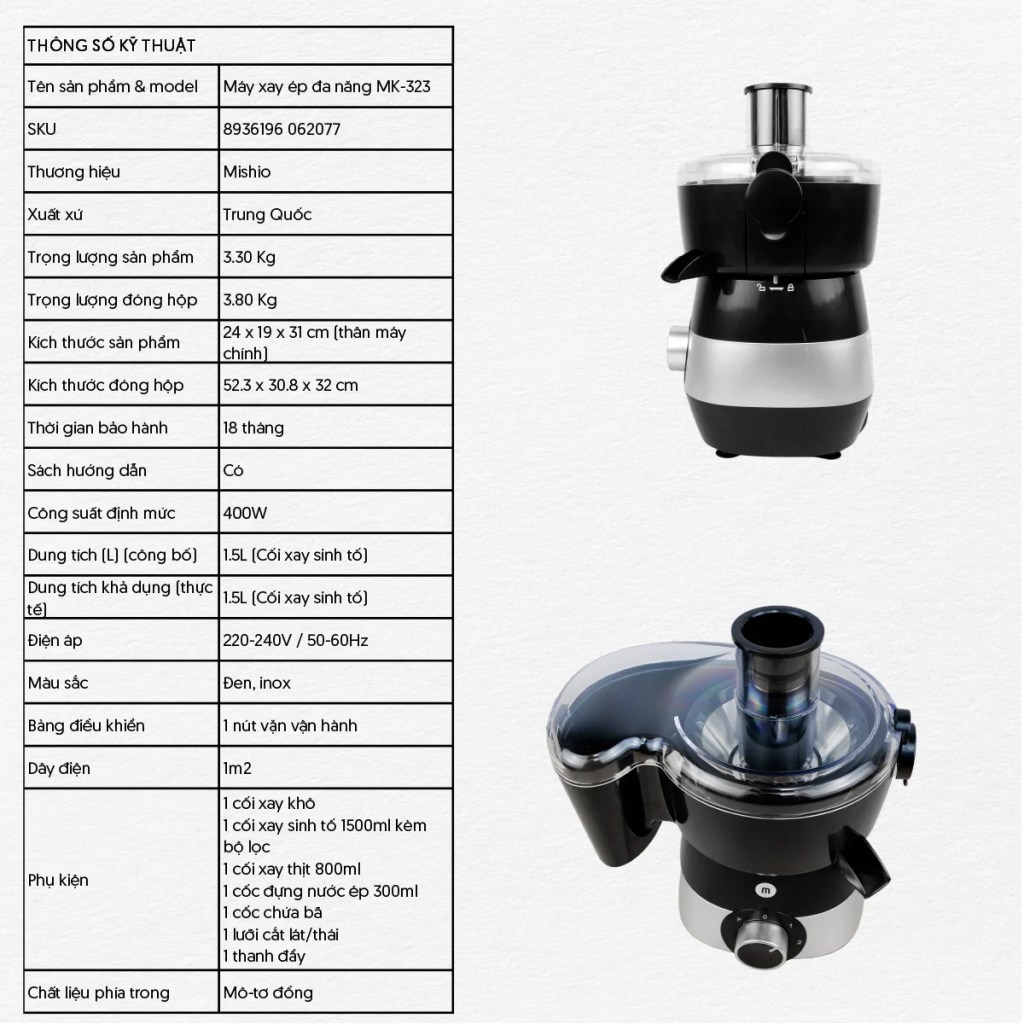
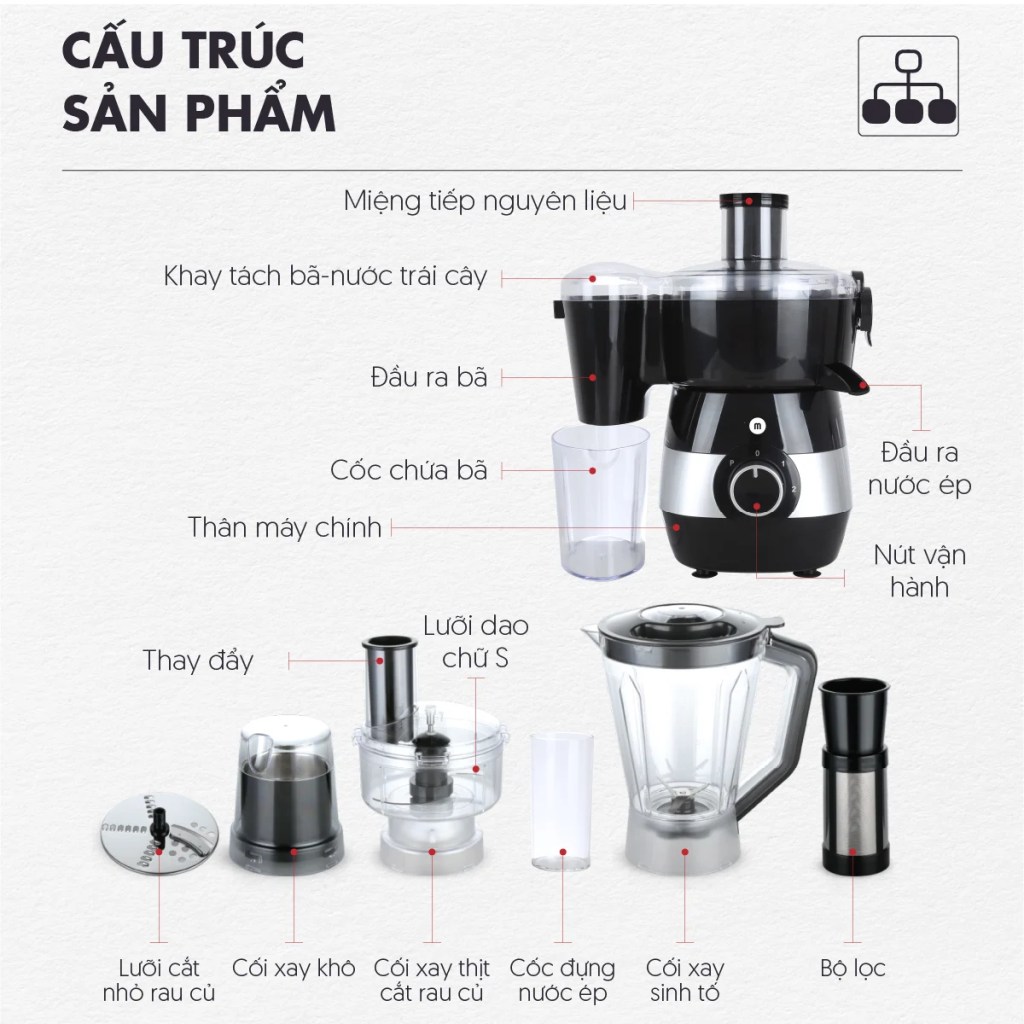
    Máy xay thực phẩm đa năng Mishio MK323 là một thiết bị nhà bếp thông minh, giúp bạn chế biến thực phẩm nhanh chóng và tiện lợi. Với thiết kế hiện đại, công suất mạnh mẽ và nhiều tính năng ưu việt, đây là sự lựa chọn lý tưởng cho những ai đang tìm kiếm máy xay sinh tố, máy xay thịt, máy ép trái cây, hay máy làm sữa hạt.

    Đặc Điểm Nổi Bật Của Máy Xay Đa Năng Mishio MK323

    1. Thiết Kế Đa Năng – Ứng Dụng Linh Hoạt

    • Máy xay sinh tố: Xay nhuyễn hoa quả, làm sinh tố mát lạnh bổ dưỡng.
    • Máy xay thịt đa năng: Xay thịt, cá chỉ trong vài giây, giữ nguyên độ tươi ngon.
    • Máy ép trái cây: Hỗ trợ chế biến các loại nước ép dinh dưỡng.
    • Máy làm sữa hạt: Dễ dàng xay nhuyễn hạt cứng như đậu nành, hạnh nhân để làm sữa hạt thơm ngon.

    2. Công Suất Mạnh Mẽ

    Máy xay Mishio MK323 sở hữu công suất 400W, giúp xay nhuyễn thực phẩm nhanh chóng, từ thịt, cá, rau củ đến hạt cứng. Lưỡi dao inox không gỉ sắc bén giúp quá trình xay nhuyễn diễn ra dễ dàng và hiệu quả.

    3. Chất Liệu Cao Cấp – An Toàn Sử Dụng

    Máy xay Mishio MK323 được làm từ chất liệu nhựa ABS cao cấp, an toàn cho sức khỏe. Cối xay thủy tinh chịu lực giúp đảm bảo độ bền lâu dài, dễ vệ sinh sau khi sử dụng.

    4. Dung Tích Lớn, Phù Hợp Cho Gia Đình

    Máy có dung tích 1.2L, đủ để xay một lượng lớn thực phẩm trong một lần, phù hợp cho gia đình có từ 3-5 người.

    5. Dễ Dàng Sử Dụng Và Vệ Sinh

    Chỉ với một nút bấm, bạn có thể điều chỉnh tốc độ xay tùy theo nhu cầu. Các bộ phận có thể tháo rời để vệ sinh dễ dàng sau khi sử dụng.

    Vì Sao Nên Chọn Máy Xay Thực Phẩm Đa Năng Mishio MK323?

    • Đa chức năng: Tích hợp nhiều công dụng trong một thiết bị.
    • Tiết kiệm thời gian: Xay nhuyễn thực phẩm trong vài giây.
    • Thiết kế nhỏ gọn: Không chiếm nhiều diện tích trong căn bếp.
    • Giá cả hợp lý: Chất lượng vượt trội so với mức giá.
    • Bảo hành chính hãng: Yên tâm sử dụng với chính sách bảo hành dài hạn.

    Hướng Dẫn Mua Hàng

    👉 Đặt hàng ngay đây nhận ưu đãi hấp dẫn! 🚀

    Click và đây nhận ngay ưu đãi 👉ĐẶT HÀNG

    💥 Giảm giá sốc – Giao hàng tận nơi – Bảo hành chính hãng!


    💡 Bạn còn chần chừ gì nữa? Trang bị ngay cho gian bếp nhà mình một chiếc máy xay thực phẩm đa năng Mishio MK323 để nâng cao trải nghiệm nấu nướng ngay hôm nay!